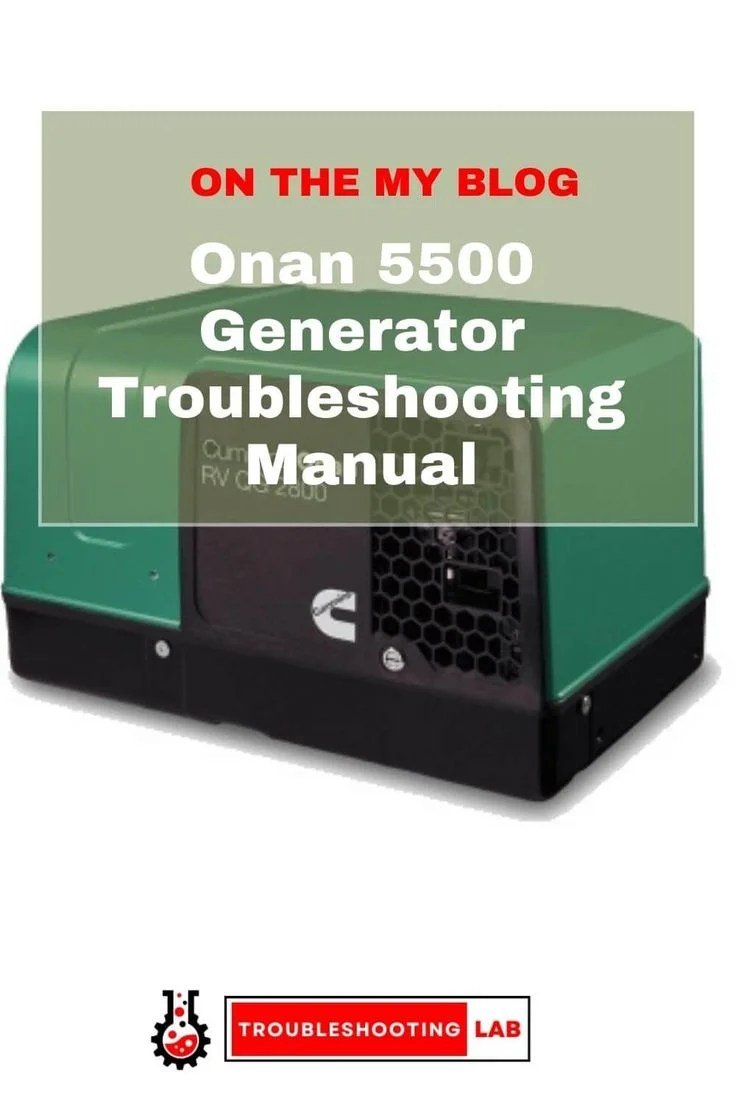
Keeping your RV's heart beating strong—especially when that heart is an Onan 5500 generator—requires a disciplined approach to maintenance. Ignoring its needs can lead to frustrating breakdowns, costly repairs, and silent nights when you need power most. This comprehensive guide cuts through the complexity, offering an essential Onan 5500 generator maintenance schedule & troubleshooting insights that are both trustworthy and genuinely useful, ensuring your home-on-wheels always has the juice it needs.
At a Glance: Your Onan 5500 Generator Maintenance Essentials
Before we dive deep, here's a quick rundown of the critical maintenance tasks for your Onan 5500 generator:
- Run Regularly: Exercise your generator for at least one hour per month with a moderate load (e.g., A/C, microwave) to keep fluids circulating and parts lubricated.
- Oil Change: Annually or every 50-150 hours of operation, whichever comes first. Consider an oil filter change too, especially on larger models.
- Air Filter Replacement: Annually or every 500 hours, or more frequently if you often travel in dusty environments.
- Spark Plug Replacement: Approximately every 450 hours.
- Spark Arrestor Cleaning: Seasonally, typically once a year, to prevent fire hazards.
- General Inspection: Regularly check fuel lines, battery connections, exhaust system, and look for any leaks or unusual wear.
Why Your Onan 5500 Deserves Regular TLC
Think of your Onan 5500 generator as the unsung hero of your RV adventures. It powers your air conditioning on scorching days, keeps your refrigerator humming, and ensures your coffee maker is ready to go each morning. But like any hard-working machine, it needs consistent care to perform reliably. Neglecting its maintenance schedule is a surefire way to shorten its lifespan, reduce its efficiency, and invite unexpected failures.
Beyond avoiding breakdowns, diligent maintenance helps your generator run cleaner, operate more fuel-efficiently, and maintain its resale value. It's not just about fixing problems; it's about preventing them, giving you peace of mind whether you're boondocking in the desert or enjoying a peaceful campsite. To truly grasp the role of these workhorses in your mobile setup, it’s worth understanding RV generators in general and how they integrate with your rig.
The Golden Rule: Use It or Lose It!
Perhaps the single most important piece of advice for any RV generator, including your Onan 5500, is to run it regularly. Many owners only fire up their generator when they absolutely need it, which can be detrimental. Fuel can go stale, seals can dry out, and internal components can seize.
Pro Tip: Run your Onan 5500 for at least one hour, at least once a month, under a moderate electrical load. This means turning on your RV's air conditioner, microwave, or other high-draw appliances. This practice circulates oil, prevents carburetor gumming, keeps seals lubricated, and ensures it's ready when you truly depend on it.
Your Onan 5500 Maintenance Schedule: A Roadmap to Reliability
Adhering to a consistent maintenance schedule is the cornerstone of generator longevity. Here's a breakdown of tasks, their recommended frequencies, and why they matter.
1. The Lifeblood: Oil & Oil Filter Change
Frequency: Annually or every 50-150 hours of operation, whichever comes first.
Just like your RV's engine, your generator's engine relies on clean oil to lubricate moving parts, dissipate heat, and prevent wear. Over time, oil breaks down, loses its lubricating properties, and collects contaminants. Regular oil changes are non-negotiable for engine health. For larger Cummins Onan models, changing the oil filter simultaneously is also crucial, as it traps impurities that can damage the engine. Understanding the right oil for your generator can significantly impact performance and longevity.
2. The Air Your Engine Breathes: Air Filter Replacement
Frequency: Annually or every 500 hours, or more often in dusty conditions.
A clean air filter is vital for your engine to "breathe" properly. It prevents dust, dirt, and debris from entering the engine's combustion chamber, where they can cause abrasive wear. A clogged air filter restricts airflow, leading to reduced power, increased fuel consumption, and potential overheating. If you frequently camp in arid, dusty areas, don't wait for the annual mark; check and replace it more often.
3. The Spark of Life: Spark Plug Replacement
Frequency: Approximately every 450 hours.
Spark plugs ignite the air-fuel mixture in your generator's engine. Over time, they can foul with carbon deposits or their electrodes can wear down, leading to a weak spark. This results in misfires, rough running, reduced fuel efficiency, and difficulty starting. Fresh spark plugs ensure efficient combustion and smooth operation.
4. Fire Prevention: Spark Arrestor Cleaning
Frequency: Seasonally (e.g., once a year).
The spark arrestor is a critical safety component designed to prevent hot carbon particles from exiting the exhaust system, which could potentially start a fire in dry brush or flammable environments. Over time, it accumulates carbon buildup, restricting exhaust flow and potentially causing performance issues. Regular cleaning is a simple but vital fire prevention measure.
5. Beyond the Basics: Other Vital Checks
- Battery Condition: Ensure your generator's starting battery (often your RV's house battery) is fully charged and its terminals are clean and tight.
- Fuel System Inspection: Check fuel lines for cracks, leaks, or deterioration. Ensure the fuel filter (if applicable) is clean. Use a fuel stabilizer if the generator sits unused for extended periods.
- Exhaust System: Inspect the exhaust pipe and muffler for rust, holes, or loose connections.
- Visual Inspection: Regularly scan the entire generator for loose wires, damaged components, or any signs of leaks (oil, fuel, coolant).
- Cooling System (Liquid-Cooled Models): Check coolant levels and condition. Onan 5500s are air-cooled, so this specific step isn't usually applicable, but worth noting for other generator types.
Deep Dive: Step-by-Step Onan 5500 Maintenance Procedures
Now, let's get hands-on with the essential maintenance tasks for your Onan 5500. Always ensure the generator is off, cool, and disconnected from any power source before starting any maintenance.
Changing Your Onan 5500's Oil
This is one of the most fundamental tasks. Clean oil keeps your generator's engine purring.
Tools You'll Need:
- New oil (check your Onan manual for the exact type and viscosity, typically a high-quality 15W-40 or 10W-30 depending on ambient temperature)
- Oil filter (if replacing)
- Oil drain pan
- Funnel
- T-30 Torx bit (for access panel)
- 9/16 inch socket and ratchet (for drain plug)
- Pipe thread sealant (optional, but recommended)
- Oil filter wrench (if replacing filter)
- Shop rags or paper towels
Step-by-Step:
- Warm It Up (Briefly): Start the generator and let it run for about 10 minutes. This warms the oil, making it thinner and easier to drain. Then, shut it OFF.
- Access the Drain Plug: Locate the oil drain access panel, usually on the underside or side of the generator. You might need a T-30 Torx bit to loosen one screw and remove another to swing the panel out of the way.
- Drain the Old Oil: Place your drain pan directly under the drain plug. Use a 9/16 inch socket to carefully remove the drain plug. Allow all the old, dark oil to completely drain into the pan.
- Replace the Oil Filter (If Applicable): For larger Cummins Onan models, the oil filter is typically accessible from underneath the generator, often recessed into the vehicle's edge. Use an oil filter wrench to remove the old filter. Be prepared for some residual oil to spill. Apply a thin film of new oil to the rubber gasket of the new filter, then hand-tighten it onto the generator.
- Reinstall the Drain Plug: Once the oil has fully drained, clean the drain plug threads. It's a good practice to apply a small amount of pipe thread sealant to the threads before reinstalling. Tighten the plug securely. If your manual specifies a torque setting, use a torque wrench.
- Add New Oil: Remove the oil fill cap, insert a funnel, and slowly pour in the recommended amount and type of new oil. Your Onan 5500 manual will specify the capacity, usually around 1.6 to 1.7 quarts.
- Check Oil Level: After adding the oil, wait a few minutes for it to settle. Check the oil level using the dipstick (usually integrated into the fill cap). Do not overfill. If it's too high, drain a small amount. If too low, add gradually.
- Check for Leaks: Reinstall the oil fill cap. Start the generator and let it run for a few minutes. Carefully check around the drain plug and oil filter (if replaced) for any leaks. If no leaks are present, shut off the generator and reinstall the access panel.
- Dispose of Old Oil: Take your used oil to an approved recycling center or auto parts store.
Replacing the Air Filter
A clean air filter ensures optimal combustion and protects your engine.
Tools You'll Need:
- New OEM Onan air filter (ensure it's the correct size/model for your 5500)
- Screwdriver (for generator front panel, if needed)
- Rag or small brush
Step-by-Step:
- Access the Filter Housing: Ensure the generator is OFF and cool. You'll need to remove the front access panel of your generator. This might involve unscrewing a few fasteners.
- Locate the Air Filter Box: Inside, you'll find a flat, vertical black plastic box housing the air filter, usually with clips or latches on the sides.
- Open the Housing: Unclip the latches on the sides of the air filter cover and pull it forward to remove it.
- Remove the Old Filter: Carefully pull the old air filter straight out from its housing.
- Inspect and Clean: Examine the old filter. If it's dirty, discolored, or clogged, it's time for a replacement. While it's out, take a moment to clean any insects, leaves, or debris from inside the filter housing with a rag or small brush.
- Install the New Filter: Insert the new OEM Onan air filter, ensuring it fits snugly into the housing. Make sure it's oriented correctly (some filters have an "airflow" arrow). Proper selecting the correct air filter is essential for engine health.
- Close the Housing: Reattach the cover by first slipping the top tabs into their corresponding slots, then lowering it into place and securing the side and bottom clips.
- Reinstall Panel: Reattach the generator's front access panel.
Swapping Out Spark Plugs
Fresh spark plugs lead to better performance and easier starts.
Tools You'll Need:
- New spark plug(s) (check your Onan manual for the correct type and gap)
- Spark plug socket and ratchet (typically 5/8 inch or 13/16 inch)
- Spark plug gapper (if plugs aren't pre-gapped)
- Dielectric grease (optional, for the boot)
Step-by-Step:
- Safety First: Ensure the generator is OFF and completely cool. Disconnect your RV from shore power as an extra precaution.
- Access the Plugs: Remove the front access panel of the generator. Locate the spark plug(s). Most Onan 5500s have one, usually on the upper right side. Some specific models might have a secondary one on the upper left; always consult your owner's manual.
- Remove the Spark Plug Wire: Carefully pull the black rubber boot and wire straight up from the top of the spark plug. Avoid pulling on the wire itself; grasp the boot firmly.
- Remove the Old Plug: Place your spark plug socket over the plug. Attach a ratchet and turn counter-clockwise to loosen and remove the spark plug.
- Inspect the Old Plug: Examine the old plug for signs of wear, fouling, or damage. This can tell you a lot about your engine's health.
- Prepare the New Plug: If your new spark plug isn't pre-gapped, use a spark plug gapper to set it to the specification in your Onan manual. A small dab of anti-seize on the threads is optional but can help with future removal.
- Install the New Plug: Hand-thread the new spark plug into its port to avoid cross-threading. Once finger-tight, use the socket and ratchet to snug it down. Be careful not to overtighten, as this can damage the cylinder head. A small extra turn past finger-tight is usually sufficient, or follow torque specs if provided.
- Reconnect the Wire: Push the spark plug wire's rubber boot firmly back onto the new spark plug until you feel or hear a satisfying "click," indicating a secure connection. A tiny bit of dielectric grease inside the boot can help prevent corrosion and aid future removal.
- Test and Reassemble: Start the generator to ensure it runs smoothly without misfires. If it runs rough, check the plug's tightness and the wire connection. Once confirmed, shut off the generator and reinstall the front access panel.
Cleaning the Spark Arrestor
A clean spark arrestor is a simple way to prevent fire hazards.
Tools You'll Need:
- Screwdriver or socket wrench (to remove bracket screws)
- Small wire brush
Step-by-Step:
- Safety First: Ensure the generator is OFF and completely cool. The exhaust system gets very hot.
- Locate and Remove: The spark arrestor screen is typically found at the end of the exhaust pipe or within a small housing near it. It's usually held in place by a bracket with one or two screws. Remove these screws and carefully detach the screen assembly from the generator.
- Clean the Screen: Use a small wire brush to vigorously brush both sides of the screen. This will remove carbon buildup and rust. It might be quite dirty!
- Inspect for Damage: While cleaning, inspect the screen for any holes, tears, or significant damage. If compromised, it must be replaced to effectively prevent sparks.
- Reinstall: Once clean and inspected, reattach the screen assembly, ensuring the round bracket sits properly over its edges, and tighten the screws securely.
Troubleshooting Common Onan 5500 Issues
Even with diligent maintenance, issues can arise. Here's a guide to common problems and their potential solutions, helping you diagnose before you despair.
1. Generator Won't Start
This is perhaps the most common and frustrating issue.
- No Fuel: Check your RV's fuel tank. Onan generators typically draw from the main fuel tank but only to a certain level (often ¼ full) to prevent running the vehicle dry.
- Stale Fuel: Fuel that has sat for months can degrade and clog the carburetor. Try adding a fuel stabilizer or draining and refilling with fresh fuel.
- Low RV Battery: The generator uses your RV's house battery for starting. If the battery is weak, it won't crank. Check battery voltage and ensure connections are clean and tight.
- Clogged Fuel Filter: If your generator has an inline fuel filter, it could be clogged. Replace it.
- Bad Spark Plug: A fouled or worn spark plug won't ignite the fuel. Check and replace if necessary.
- Carburetor Issues: Gummed-up carburetors from stale fuel are a frequent culprit. This may require professional cleaning or replacement.
- Safety Shutdowns: Onan generators have safety features. Check for low oil levels (the generator won't start if oil is too low). Some models might have fault codes displayed; consult your manual.
2. Generator Starts But Quickly Dies
This usually points to a fuel delivery or air supply problem.
- Low Fuel Level: Again, check your main RV fuel tank.
- Clogged Fuel Filter/Line: Obstruction preventing consistent fuel flow.
- Dirty Air Filter: Restricts air, leading to improper fuel-air mixture.
- Carburetor Issues: If it starts but can't maintain idle, the carburetor might be partially clogged or require adjustment.
- Spark Plug/Ignition System: A weak spark might initiate combustion but fail to sustain it.
- Exercise Schedule: Not running the generator regularly with a load can lead to this issue.
3. Generator Runs Rough or Misfires
An unhappy generator often vibrates or makes irregular noises.
- Fouled/Incorrectly Gapped Spark Plug: The most common cause. Check and replace.
- Dirty Air Filter: Restricts airflow, leading to an imbalance in the fuel-air mixture.
- Stale or Contaminated Fuel: Poor quality fuel can cause rough running.
- Clogged Fuel Filter: Inconsistent fuel delivery.
- Carburetor Adjustment: The air-fuel mixture might be off. This often requires professional adjustment.
- Spark Plug Wire: Ensure the spark plug wire is securely connected and not damaged.
4. No Power Output
The generator runs, but nothing gets power inside the RV. This suggests an electrical issue.
- Tripped Breaker: Check the circuit breakers on the generator itself (usually small push-button breakers on the generator's control panel) and inside your RV's main electrical panel.
- Faulty Transfer Switch: If your RV has an automatic transfer switch (which switches between shore power and generator power), it might be stuck or malfunctioning. Consult a professional. Understanding your RV's electrical system is crucial here.
- Generator Overload: If you're trying to run too many high-draw appliances simultaneously, the generator might trip its own breaker or shut down as a safety measure. Reduce the load.
5. Overheating
If your generator shuts down with a high-temperature indicator, or you notice excessive heat.
- Blocked Airflow: Ensure the generator's cooling air inlets and outlets are clear of obstructions (leaves, dirt, debris).
- Dirty Cooling Fins: The generator's engine has cooling fins. If they are caked with dirt or oil, they won't dissipate heat effectively.
- Low Oil Level: Believe it or not, critically low oil can cause an engine to run hotter and trigger a shutdown.
- Overload: Running the generator continuously at maximum capacity in hot weather can cause overheating.
6. Excessive Noise or Vibration
While generators are inherently noisy, unusual sounds warrant investigation.
- Loose Mounting Bolts: Check the bolts securing the generator to its frame.
- Worn Engine Mounts: Rubber engine mounts can deteriorate, allowing excessive vibration.
- Exhaust System Leak: A crack or loose connection in the exhaust can cause a loud, sputtering noise.
- Internal Engine Issue: More serious, this could indicate worn bearings or other internal component issues, requiring professional diagnosis.
7. Smoke of Different Colors
Smoke from your exhaust is a clear indicator something is wrong.
- Blue Smoke: Indicates burning oil. This could be due to worn piston rings, valve guides, or an overfilled crankcase.
- White Smoke: Often indicates burning coolant (though less common in air-cooled Onans) or water vapor, especially on cold starts. If persistent, it might signal an internal issue.
- Black Smoke: Indicates unburnt fuel, meaning the engine is running rich (too much fuel, not enough air). This can be caused by a dirty air filter, a faulty carburetor, or a problem with the fuel delivery system.
For more generalized help, refer to general generator troubleshooting tips.
When to Call a Professional
While many maintenance and troubleshooting tasks are DIY-friendly, there are times when professional help is essential.
- Complex Carburetor Rebuilds/Adjustments: These are intricate and require specialized tools and knowledge.
- Persistent Electrical Issues: If you've checked breakers and the transfer switch and still have no power, it's best to consult a certified RV electrician or generator technician.
- Internal Engine Noises: Rattling, knocking, or grinding sounds usually indicate serious internal engine problems that require expert diagnosis and repair.
- Diagnostic Codes: If your generator displays complex fault codes you can't decipher or resolve with basic troubleshooting.
- Safety Concerns: If you smell gas, see sparks, or feel unsafe performing a repair, stop and call a professional.
Remember, your Onan 5500 generator is an investment in your RV lifestyle. Don't hesitate to seek professional help when a problem exceeds your comfort level or expertise.
Tools and Supplies You'll Need for Onan 5500 Maintenance
Having the right tools on hand makes maintenance tasks much smoother.
- Basic Hand Tools: Ratchet and socket set (especially 9/16", 5/8", 13/16"), screwdrivers (Phillips and flathead), T-30 Torx bit.
- Oil Change Essentials: Oil drain pan, funnel, new generator oil (correct type/viscosity), oil filter wrench.
- Spark Plug Tools: Spark plug socket, spark plug gapper.
- Cleaning Supplies: Wire brush (small), shop rags, carburetor cleaner (for external cleaning, not for internal use unless specified).
- Safety Gear: Work gloves, safety glasses.
- Specialty Items: Fuel stabilizer, pipe thread sealant (for drain plug).
- Generator-Specific Parts: New OEM Onan oil filter, air filter, spark plug(s). Always use parts specified for your exact Onan 5500 model.
It's a good idea to keep a small "generator toolkit" in your RV, so you're always prepared for routine maintenance or minor roadside troubleshooting.
Preventative Wisdom: Best Practices for Onan 5500 Longevity
Beyond the schedule, adopting these practices will significantly extend your generator's life and reliability:
- Read Your Manual: Your Onan 5500 owner's manual is your primary source of truth for specific oil types, capacities, torque specs, and troubleshooting codes. Don't guess.
- Use Quality Fuel & Stabilizer: Always use fresh, high-quality gasoline. If the generator will sit unused for more than a month, add a fuel stabilizer to prevent ethanol separation and gumming.
- Don't Overload: Be mindful of the wattage your generator can produce. Running it constantly at or over its maximum capacity causes undue stress and reduces lifespan. Spread out your high-draw appliance usage.
- Keep it Clean: Regularly inspect and clean the exterior of your generator, especially air intakes and exhaust vents, to prevent debris buildup.
- Listen to Your Generator: Pay attention to unusual noises, vibrations, or changes in performance. Early detection can prevent minor issues from becoming major problems.
- Store Thoughtfully: If your RV is stored for the winter, ensure the generator has been run with fresh, stabilized fuel, and consider a final oil change before storage.
For those looking to understand the full capabilities and features of their unit, you can always Learn more about Onan 5500 generators at a deeper level.
Common Questions About Onan 5500 Maintenance
Here are answers to some frequently asked questions that come up with Onan 5500 maintenance.
How often should I run my Onan 5500 generator?
You should run your Onan 5500 generator for at least one hour, once a month, under a moderate load. This keeps internal components lubricated, prevents fuel system issues, and ensures reliability.
Can I use car oil in my Onan 5500 generator?
Always refer to your Onan 5500 owner's manual for the specific oil type and viscosity recommended. While some automotive oils might be compatible, generator engines often have different requirements. Using the recommended oil ensures proper lubrication and performance.
What happens if I don't clean the spark arrestor?
If you don't clean the spark arrestor, carbon buildup can restrict exhaust flow, leading to reduced generator performance, overheating, and potentially a fire hazard as the unburnt carbon could ignite.
How do I reset my Onan 5500 generator after an overload?
Most Onan 5500 generators have circuit breakers on their control panel. If the generator overloads, these breakers will trip. To reset, turn off the generator, reduce the electrical load (turn off some appliances), then push the circuit breakers back in (or flip them back to the "on" position) and restart the generator.
Is it normal for my Onan 5500 to sound different in cold weather?
Yes, it's common for generators to sound slightly different or run a bit rougher during cold starts. This usually resolves once the engine warms up. Ensure you're using the correct oil viscosity for cold temperatures as specified in your manual.
How can I make my Onan 5500 quieter?
While Onan 5500s are generally quieter than many other generators, you can explore options like generator enclosures (ensuring proper ventilation), aiming the exhaust away from your campsite, or using sound-absorbing mats underneath. However, significant modifications to the exhaust system are generally not recommended without expert advice, as they can affect engine performance and safety.
Empowering Your RV Adventures
Maintaining your Onan 5500 generator might seem like a chore, but it's truly an investment in your freedom and comfort on the road. By following this comprehensive schedule and understanding basic troubleshooting, you're not just caring for a machine; you're safeguarding countless memories and ensuring that reliable power is always just a push of a button away. Stay proactive, stay informed, and enjoy the journey!