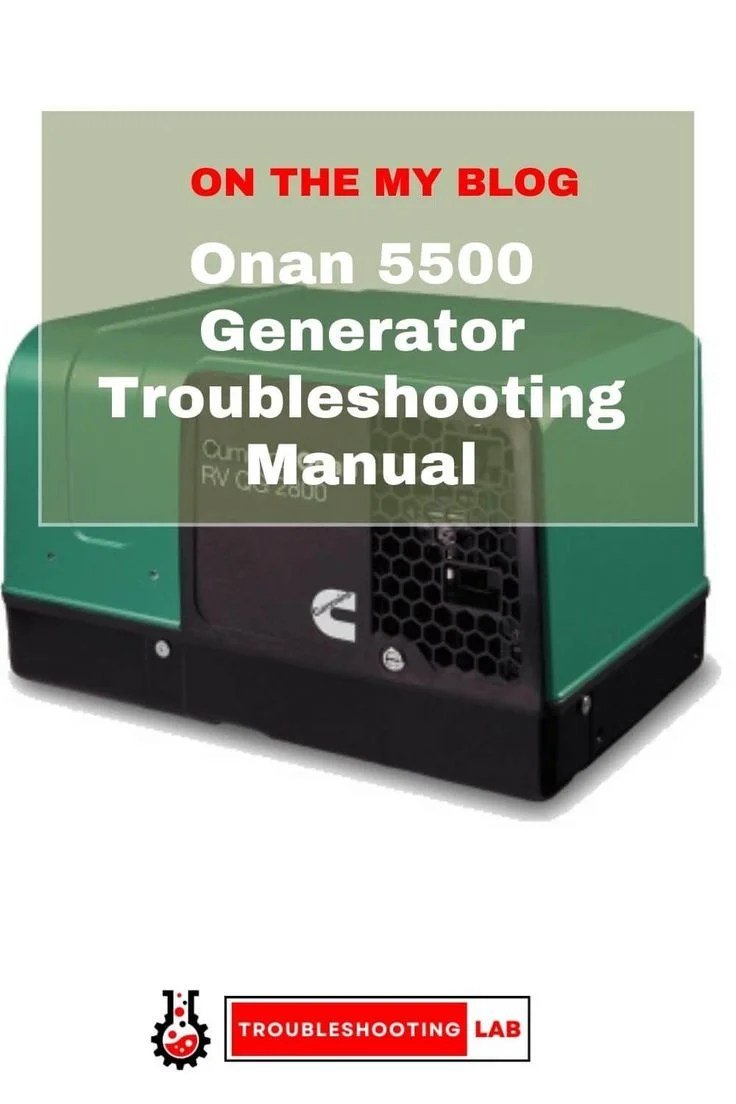
When the grid goes dark, the construction site needs power, or your RV adventure calls for reliable electricity, your Cummins Onan 5500 generator is often the unsung hero. But simply owning one isn't enough; mastering the art of Optimizing Onan 5500 Generator Fuel Efficiency & Operation can significantly extend its lifespan, reduce your operating costs, and ensure dependable power when you need it most. This isn't just about saving a few pennies at the pump; it's about maximizing your investment in a truly robust power solution.
At its core, the Onan 5500 is engineered for reliability and efficiency. Yet, like any finely tuned machine, its peak performance is heavily influenced by how you use and maintain it.
At a Glance: Your Onan 5500 Optimization Blueprint
- Load Management is King: Avoid overloading or consistently underloading for optimal fuel use.
- Scheduled Maintenance: Regular oil changes, filter replacements, and spark plug checks are non-negotiable.
- Quality Fuel Matters: Fresh, stabilized fuel prevents common engine issues and improves efficiency.
- Proper Placement & Ventilation: Ensures cool, efficient operation and safety.
- Monitor Your Metrics: Use the Advanced Digital Control panel to track performance and maintenance needs.
- Don't Overlook Storage: Prepare your generator for downtime to prevent long-term damage.
The Onan 5500 Edge: Why It’s Built for Peak Performance
Before we dive into optimization, let's acknowledge what makes the Cummins Onan 5500 a standout choice. It's not just another generator; it's a leading power solution celebrated for its reliability, efficiency, and exceptional quality. With a continuous output of 5500 watts and a surge capacity to handle those initial power spikes, it's designed to manage substantial, demanding loads in diverse applications, from residential backup to commercial job sites.
Its built-in features are already geared towards efficiency and stable operation. The Advanced Digital Control panel provides precise monitoring, keeping tabs on system status, fuel levels, and maintenance schedules, which is invaluable for proactive care. The generator's superior fuel efficiency is a cornerstone of its design, aimed at reducing operating costs and lessening environmental impact. Furthermore, its quiet operation, achieved through advanced noise reduction technology, makes it a much more pleasant experience than many competitors. Automatic Voltage Regulation (AVR) safeguards your sensitive electronics by ensuring a stable, consistent voltage output.
Compared to other generators in its class, the Onan 5500 truly shines in fuel efficiency, low noise levels, and advanced features. Its robust build quality and durability aren't just marketing claims; they translate to a longer operational life and notably lower maintenance costs over time. This generator is engineered to perform efficiently across various loads and extreme weather conditions, hot or cold, thanks to its weather-resistant materials and low-maintenance internal components. This inherent quality forms the foundation of any successful optimization strategy. To truly appreciate its capabilities, you can Learn more about Onan 5500 generators.
Pre-Flight Checks: Setting Your Generator Up for Success
Optimization starts even before you hit the "start" button. Proper setup and regular pre-operational checks are crucial for both efficiency and longevity.
Strategic Placement and Ventilation
Your Onan 5500 needs room to breathe. Operating it in a well-ventilated area is non-negotiable for safety (carbon monoxide) and efficiency. Generators run hottest when working hard, and adequate airflow prevents overheating, which can reduce efficiency and accelerate wear.
- Outdoor Use Only: Always operate your generator outdoors, far from windows, doors, and vents that could allow exhaust fumes to enter occupied spaces.
- Clearance: Maintain at least 3-5 feet of clearance around all sides of the generator to allow for proper airflow and heat dissipation.
- Stable Surface: Place it on a firm, level surface to minimize vibration and ensure stable operation.
Initial Fluid and Filter Checks
Before each use, particularly after storage or extended periods of inactivity, a quick check can prevent major headaches.
- Oil Level: Check your oil level using the dipstick. Low oil can cause significant engine wear and reduce efficiency. Use the manufacturer-recommended oil type and viscosity.
- Fuel Level: Ensure you have sufficient fuel for your anticipated run time. Running out of fuel unexpectedly can be disruptive and potentially introduce air into the fuel system, requiring a bleed procedure.
- Air Filter: Visually inspect the air filter. A dirty air filter restricts airflow, forcing the engine to work harder and consume more fuel. Clean or replace it if it appears soiled.
- Spark Plugs: While not a pre-run check for every single use, know the condition of your spark plugs. Fouled or worn plugs lead to incomplete combustion, wasting fuel and reducing power.
Smart Operation: Fueling Your Savings
The way you operate your Onan 5500 directly impacts its fuel consumption. Intelligent load management and mindful operation are your best friends here.
Load Management: The Sweet Spot for Efficiency
Generators are most fuel-efficient when operating at around 50-75% of their rated capacity. Running your 5500-watt generator consistently at a very low load (e.g., just a few lights) is wasteful. Conversely, perpetually maxing it out can strain the engine and reduce its lifespan.
- Calculate Your Needs: Before starting, list all the appliances and tools you plan to power. Note their running watts and surge watts. Prioritize essentials.
- Stagger Start-ups: If you have high-surge appliances, start them one at a time to avoid overloading the generator.
- Optimize Your Load: Try to consolidate your power needs to run the generator closer to its optimal load. For instance, instead of running it for one small item, wait until you have enough essential items to bring the load into the 50-75% range.
- Avoid Constant Idling: While convenient, letting your generator idle unnecessarily burns fuel without producing usable power and can lead to carbon buildup. Shut it down if you anticipate an extended period of no demand.
Optimal Run Times and Cycling
Running your generator continuously for very long periods can be taxing. If possible, cycle its operation to allow for cool-down periods, especially during hot weather.
- Scheduled Breaks: For extended power outages, consider running your generator in shifts (e.g., 6-8 hours on, 1-2 hours off). This allows the engine to cool, you to refuel safely, and conduct quick checks.
- Monitor Usage: The Advanced Digital Control panel is your ally here. Use it to monitor the load and engine hours, helping you determine appropriate run cycles.
The Maintenance Mandate: Keeping Your Onan Peak
Regular maintenance isn't just about preventing breakdowns; it's the cornerstone of sustained fuel efficiency and reliable operation. Think of it as preventative medicine for your generator.
Essential Fluid Changes: Oil and Filters
- Oil Changes: This is arguably the most critical maintenance task. Dirty, degraded oil doesn't lubricate effectively, leading to increased friction, higher fuel consumption, and premature engine wear. Consult your owner's manual for specific intervals, but typically, this is every 100-200 hours of operation or annually, whichever comes first. Use the specified oil type.
- Air Filter: A clean air filter is vital for proper air-fuel mixture. A clogged filter starves the engine of air, leading to rich running conditions (more fuel than needed), reduced power, and excessive fuel consumption. Inspect and clean/replace regularly, especially in dusty environments.
- Fuel Filter: The fuel filter traps contaminants before they reach the carburetor or fuel injectors. A partially clogged fuel filter restricts fuel flow, making the engine work harder and decreasing efficiency. Replace it according to the manufacturer's recommendations.
Spark Plugs and Ignition System
- Spark Plug Inspection and Replacement: Spark plugs ignite the air-fuel mixture. Worn, fouled, or improperly gapped spark plugs lead to incomplete combustion, misfires, reduced power output, and wasted fuel. Inspect them every 100 hours or annually and replace as needed. Look for signs of carbon buildup or excessive wear.
- Ignition Wires: Check ignition wires for cracks or damage that could lead to intermittent power or misfires.
Exhaust System Checks
Ensure the exhaust system is free from blockages or leaks. A restricted exhaust can hinder engine performance and efficiency. Remember, proper ventilation is key, and a damaged exhaust system can compromise both performance and safety.
For a comprehensive guide on specific intervals and procedures, refer to your Onan 5500 owner's manual or check out a detailed maintenance schedule.
Fuel Finesse: What You Feed It Matters
The quality and type of fuel you use have a direct, significant impact on your generator's performance and fuel efficiency.
Choosing the Right Fuel
The Onan 5500 typically runs on gasoline. Always use fresh, unleaded gasoline with the octane rating recommended by the manufacturer.
- Ethanol Content: Be cautious with high-ethanol fuels (E15 or E85). While E10 (up to 10% ethanol) is common and generally acceptable, higher concentrations can attract water, corrode fuel system components, and reduce fuel efficiency. Check your manual for specific recommendations regarding ethanol.
- Freshness is Key: Gasoline degrades over time, especially when exposed to air and temperature fluctuations. Stale fuel can lead to hard starting, reduced performance, and gumming up the carburetor.
The Power of Fuel Stabilizers
For generators that aren't run frequently, a fuel stabilizer is your best friend.
- Prevent Degradation: Fuel stabilizers prevent gasoline from breaking down and forming varnish or gum deposits in the fuel system, which can clog carburetors and fuel injectors.
- Extended Storage: Always add stabilizer to your fuel tank before storing the generator for more than a few weeks. Run the engine for a few minutes after adding the stabilizer to ensure it circulates throughout the fuel system.
Safe and Smart Fuel Storage
- Approved Containers: Store fuel in clean, approved, clearly labeled fuel containers.
- Cool, Dry Place: Keep fuel containers in a cool, dry, well-ventilated area, away from direct sunlight, heat sources, or ignition sources.
- Rotate Stock: Buy fuel in quantities you expect to use within a few months, even with a stabilizer, to ensure maximum freshness.
- Consider Different Fuel Types: Understanding different fuel types can help you make informed decisions for long-term storage or specific operational needs.
Beyond the Basics: Enhancing Performance & Longevity
Beyond the core maintenance, a few extra considerations can further refine your Onan 5500's efficiency and ensure its long-term health.
Environmental Considerations
- Extreme Temperatures: While the Onan 5500 is designed for various conditions, extreme cold can affect starting and fuel efficiency. In very cold weather, consider using a block heater (if available for your model) or ensuring proper oil viscosity. Hot weather demands extra attention to ventilation.
- Dust and Debris: Operating in dusty environments requires more frequent air filter checks and cleaning to prevent engine damage and maintain efficiency.
Monitoring with the Advanced Digital Control Panel
Your Onan 5500's digital control panel isn't just for starting and stopping. It provides critical data that can inform your optimization efforts.
- Hour Meter: Track engine hours to adhere to maintenance schedules.
- Diagnostic Codes: Pay attention to any fault codes. Addressing these promptly prevents minor issues from escalating and impacting efficiency.
- Voltage and Frequency: While AVR maintains stable output, occasionally monitoring these can confirm your generator is performing as expected. Dive deeper into advanced digital control panel features to leverage its full potential.
Noise Reduction Techniques and Efficiency
The Onan 5500 is already known for its quiet operation. This isn't just about comfort; a well-designed, quiet engine often signifies efficient combustion and less mechanical stress. If you notice unusual increases in noise, it could indicate an issue affecting efficiency. Explore noise reduction techniques if noise remains a concern, but always prioritize the generator's safe and open-air operation.
Troubleshooting Common Efficiency Hurdles
Even with diligent maintenance, issues can arise. Knowing how to diagnose common problems can save you time and money.
Excessive Fuel Consumption
If your Onan 5500 is suddenly guzzling fuel, consider these culprits:
- Overloading: Are you consistently pushing the generator beyond its optimal load?
- Dirty Air Filter: Restricts airflow, leading to a rich fuel mixture.
- Fouled Spark Plugs: Incomplete combustion wastes fuel.
- Stale Fuel: Degrading fuel burns inefficiently.
- Carburetor Issues: Clogged jets or improper adjustments can cause excessive fuel use. This often requires professional attention.
- Engine Wear: In older units, significant internal wear can reduce compression and efficiency.
Reduced Power Output
- Low Fuel: The most obvious cause.
- Dirty Air/Fuel Filters: Restricts necessary air or fuel flow.
- Fouled Spark Plugs: Misfires reduce power.
- Overload: The generator's internal safety mechanisms might reduce power or shut down.
- Low Oil Shutdown: Many generators have a low oil sensor that prevents damage by shutting off the engine.
- Damaged Alternator/Generator Head: Less common, but can lead to reduced power or no output.
Safety First: Non-Negotiable Operation
While optimizing for efficiency, never compromise on safety. Proper operation protects both you and your equipment.
- Carbon Monoxide: Always operate outdoors, away from living spaces. Install carbon monoxide detectors in any enclosed areas near generator use.
- Refueling Safety: Always turn off and cool down the generator before refueling. Spilled fuel on a hot engine is a major fire hazard.
- Grounding: Ensure your generator is properly grounded, especially if it's connected to your home's electrical system via a transfer switch.
- Electrical Connections: Use heavy-duty, outdoor-rated extension cords appropriate for the load. Never overload cords.
- For a comprehensive overview of safe generator practices, review essential safety tips.
The Long-Term View: Your Investment Justified
It's true that the Cummins Onan 5500 generator has a higher initial cost, typically ranging from $2,500 to $3,500, and it's a heavier unit than some alternatives. However, user feedback consistently highlights that the long-term benefits and performance overwhelmingly justify this investment. Its superior build quality and fuel efficiency directly translate to lower operational costs over its lifespan, with reduced fuel consumption and less frequent repairs.
This generator isn't just a purchase; it's an investment in reliable, efficient power. Users consistently praise its dependable performance during critical power outages and its unwavering utility on demanding construction sites or during recreational activities. By meticulously optimizing its fuel efficiency and operation, you are not only saving money but also safeguarding a high-quality, dependable power source that will serve you well for years to come. This commitment to optimization truly maximizes the excellent long-term value the Onan 5500 offers.
Your Next Step to Peak Performance
Optimizing your Onan 5500 generator isn't a one-time fix; it's an ongoing commitment to smart operation and diligent maintenance. By implementing these strategies, you're ensuring your generator is always ready to deliver reliable, efficient power, protecting your investment and providing peace of mind.
Take action today: check your maintenance logs, evaluate your fuel storage, and ensure your next run is as efficient as it can be. Your Onan 5500 is a workhorse; with your informed attention, it will continue to perform at its best.